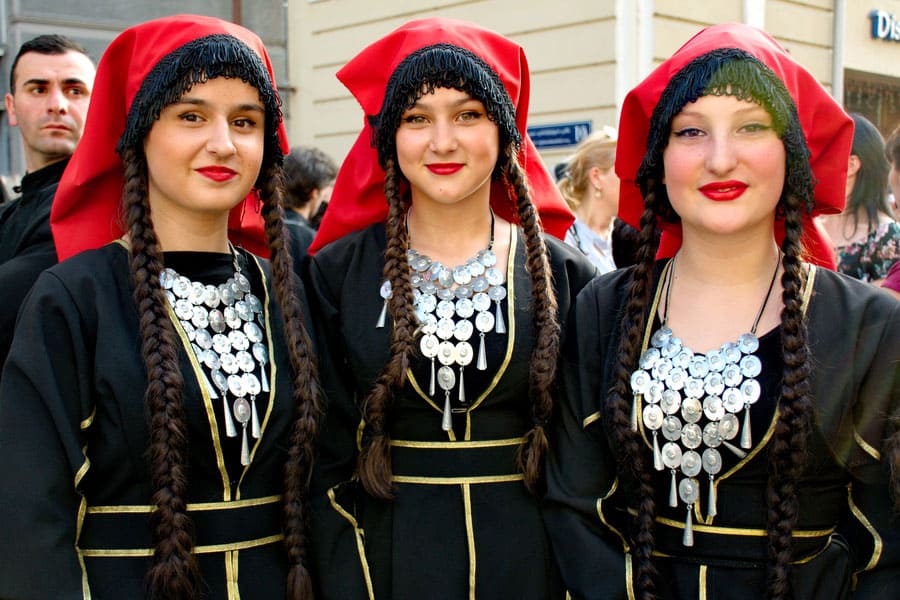
Georgian Culture Guide 2025: Georgia, a country nestled between Europe and Asia, is renowned for its rich cultural heritage, deep-rooted traditions, and warm hospitality. From the lively music and dance to the ancient winemaking techniques and delicious cuisine, Georgian culture offers a vibrant tapestry that both visitors and expats can immerse themselves in. In this guide, we explore the key elements that define Georgian culture in 2025 — helping you understand the country’s unique identity and how to respectfully engage with it.
1. Hospitality: The Heart of Georgian Culture
Georgians are famous for their exceptional hospitality. Known locally as “supra” culture, guests are treated with the utmost respect and generosity. Hosting is seen as a moral duty, and visitors are often invited into homes for elaborate meals, regardless of whether they are friends, relatives, or even strangers.
The role of the Tamada (toastmaster) is central in any gathering, leading heartfelt toasts and guiding the flow of conversation and celebration.
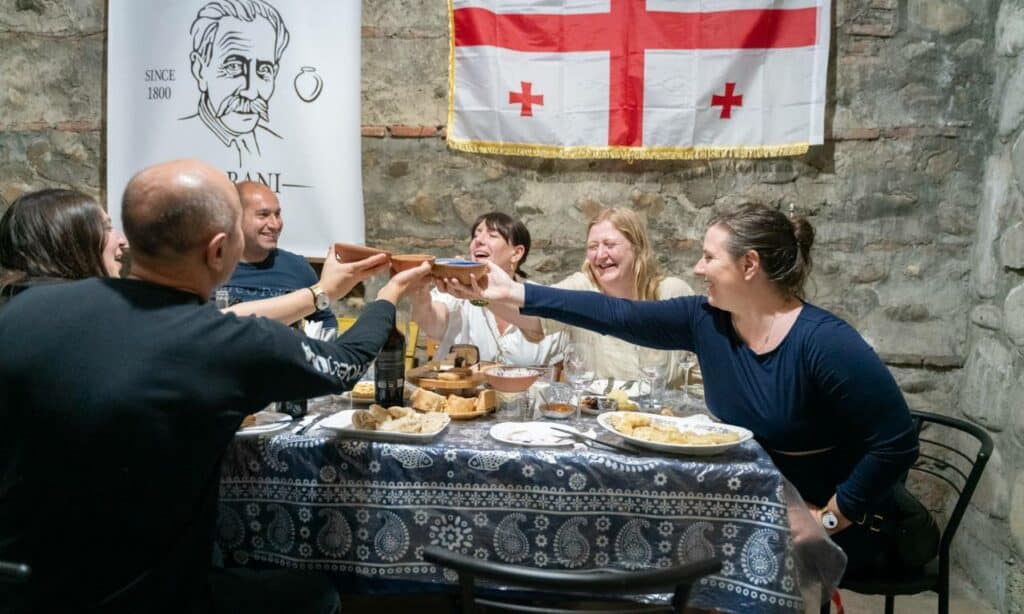
2. The Supra: More Than Just a Feast
The supra is a traditional Georgian feast, often lasting several hours, where tables overflow with local dishes such as khachapuri (cheese bread), khinkali (dumplings), and a variety of stews, salads, and pickled vegetables. Wine, often homemade, plays a key role — Georgia is considered the birthplace of wine, with an 8,000-year-old tradition of winemaking using the ancient qvevri method.
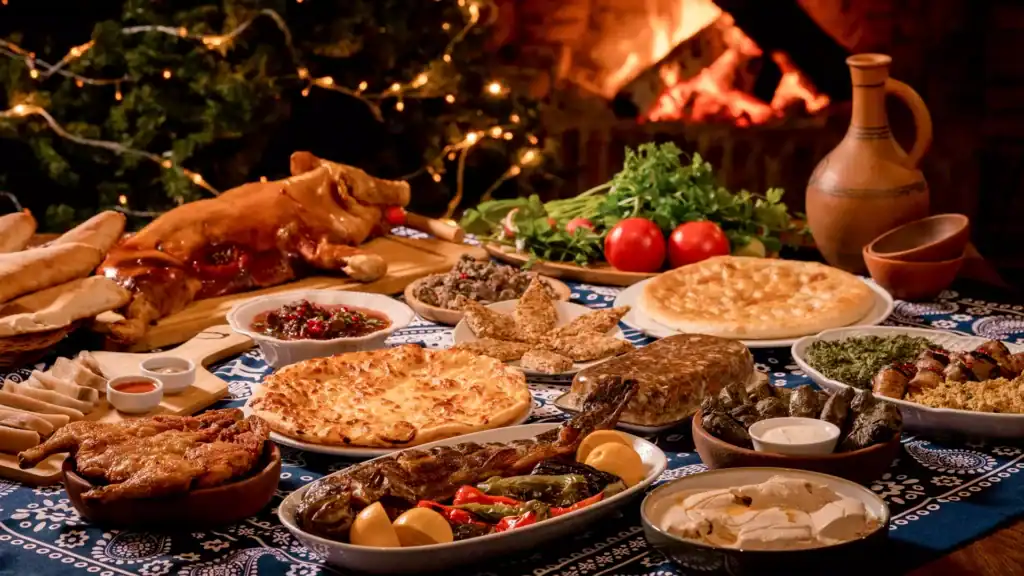
Music and polyphonic singing often accompany the feast, making it a multi-sensory cultural experience.
3. Festivals and Celebrations
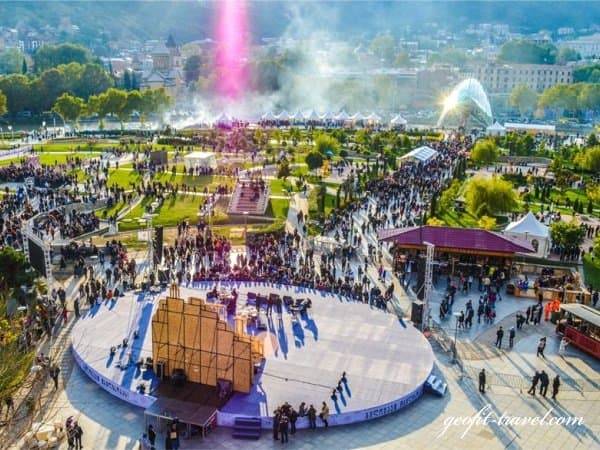
- Tbilisoba – Celebrated every October, this festival honors the city of Tbilisi with music, dance, food stalls, and wine tasting.
- Rtveli – The annual grape harvest festival in September or October, marking one of the most important events for winemaking families.
- New Year & Orthodox Christmas – Georgia celebrates New Year twice (January 1 and January 14) and Orthodox Christmas on January 7, with unique traditions and festive meals.
4. Religion and Architecture
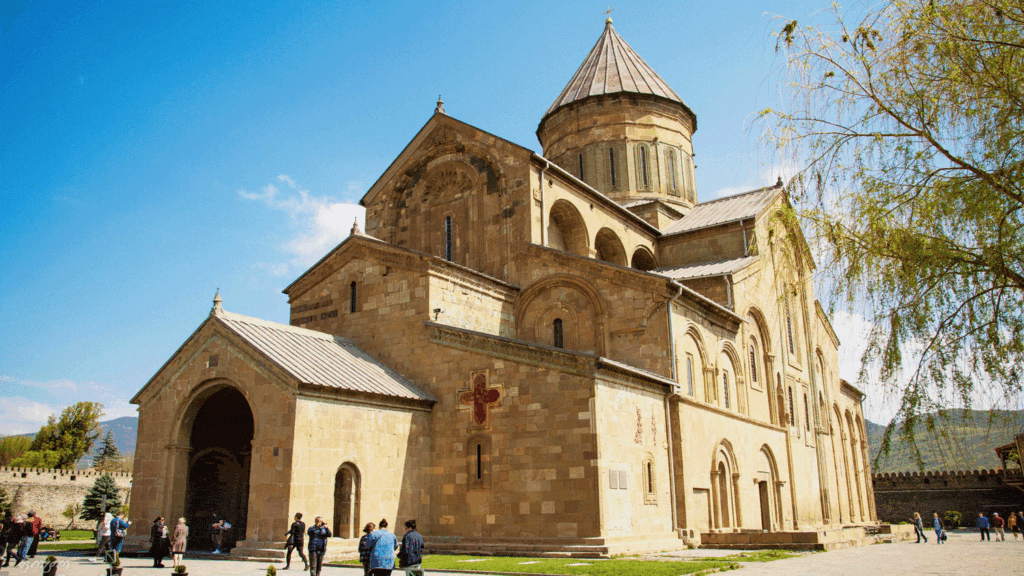
Orthodox Christianity is the predominant religion in Georgia, and it plays a significant role in daily life. Churches such as Svetitskhoveli Cathedral and Jvari Monasteryare not only places of worship but also UNESCO World Heritage sites. Visitors are welcome but should dress modestly and behave respectfully inside religious spaces.
5. Language and Communication
The Georgian language, with its unique alphabet, is a key cultural symbol. While many young Georgians speak English (especially in Tbilisi), learning a few Georgian phrases like “Gamarjoba” (Hello) and “Madloba” (Thank you) is appreciated.
Georgian communication is often direct but warm, and people value sincerity over formal politeness.
6. Arts, Music, and Dance
Georgian folk music is known for its polyphony — multiple independent vocal lines sung simultaneously — which is recognized by UNESCO as an Intangible Cultural Heritage. Traditional dance, such as Kartuli and Khevsuruli, combines elegance with athleticism, often telling stories of love, war, and celebration.
Modern Georgian culture also embraces contemporary art, theater, and film, blending old traditions with new creative expressions.
7. Etiquette and Social Norms
- Always greet with a handshake or a light hug if you know the person well.
- When visiting someone’s home, bring a small gift like wine, chocolates, or flowers.
- Avoid political debates unless you know the person well; politics can be a sensitive topic.
- Dress modestly in rural areas and when visiting religious sites.
8. Food as a Cultural Bridge
Georgian cuisine is a cornerstone of its cultural identity. Dishes like lobio (bean stew), mtsvadi (grilled meat skewers), and churchkhela (walnut candy) are not only delicious but also carry stories of the regions they come from.
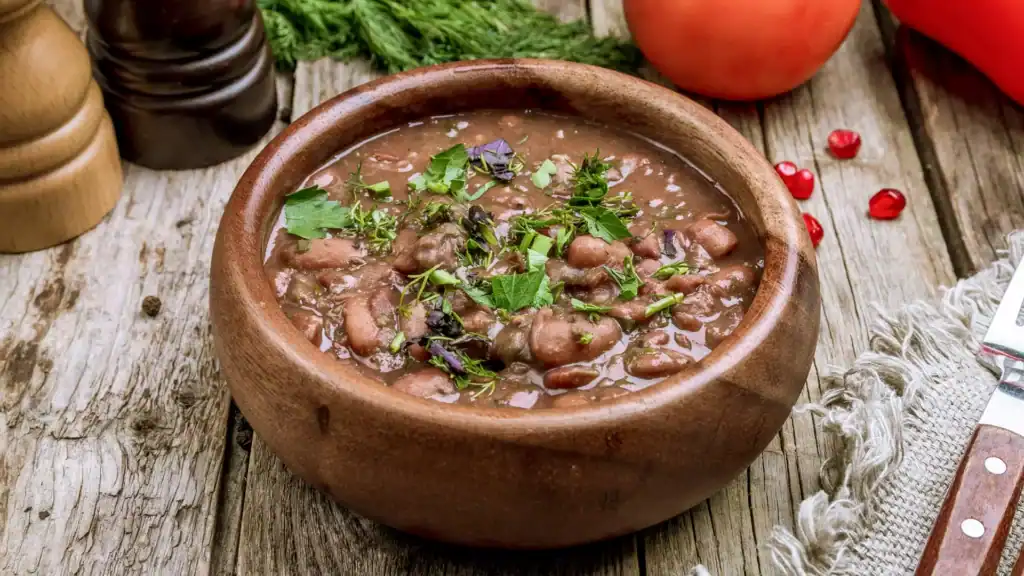
For digital nomads and long-term visitors, exploring local markets is one of the best ways to understand Georgia’s food culture and seasonal eating habits.
Exploring Georgian culture is even more rewarding when you also understand what everyday life looks like for locals and expats. If you’re planning to live here long enough to enjoy the country’s traditions and festivals, start by checking the Cost of Living in Georgia’s Top Cities 2025 to see how expenses vary between Tbilisi, Batumi, and Kutaisi. Those drawn to the Black Sea lifestyle will love the Cost of Living in Batumi 2025 guide, which shows what it’s like to experience Georgia’s vibrant culture by the coast. To move around and attend local festivals easily, read the Public Transportation in Batumi article for practical transport tips. And for anyone embracing the modern side of Georgian life, our Digital Nomad in Tbilisi Ultimate Guide highlights how tradition and innovation blend perfectly in the capital.
Conclusion
Georgia’s culture is a unique blend of ancient traditions, heartfelt hospitality, and vibrant artistic expression. Whether you’re attending a lively supra, exploring centuries-old monasteries, or enjoying the rhythms of traditional music, every experience brings you closer to the heart of this captivating country.